Traditional vs Modern Astrology: Ancient Wisdom or New Age Thinking?
When it comes to discovering astrology, choosing between conventional and modern approaches is essential. Astrology has influenced humanity for thousands of years, evolving from ancient celestial observations into a modern tool for self-discovery. Today, the debate between traditional astrology and modern astrology raises an intriguing question: ‘Should we trust ancient wisdom rooted in fate, or embrace a new-age approach focused on personal growth’?
The answer lies not in choosing one over the other, but in understanding how both systems shape our perception of the cosmos and ourselves. In this blog, we will explore the key distinctions between traditional astrology and its modern counterpart, offering a clear understanding of how each approach interprets the cosmic influences differently.
Exploring Ancient Astrology Practices
Also known as traditional astrology, Vedic astrology has its roots in age-old texts and practices. This astrological approach draws on time-honored traditions, built on ancient techniques that have been followed and refined over hundreds of years.
Practiced by the most famous love marriage specialists in India, Vedic astrology depends on age-old methods passed down through generations. These techniques are time-tested and valued for their unmatched precision.
Panchanga
Vedic astrology prioritizes using an astrological calendar named Panchanga to examine planetary positions and their impacts. This tool is vital for precise readings and predictions.
Comprehensive Natal Charts
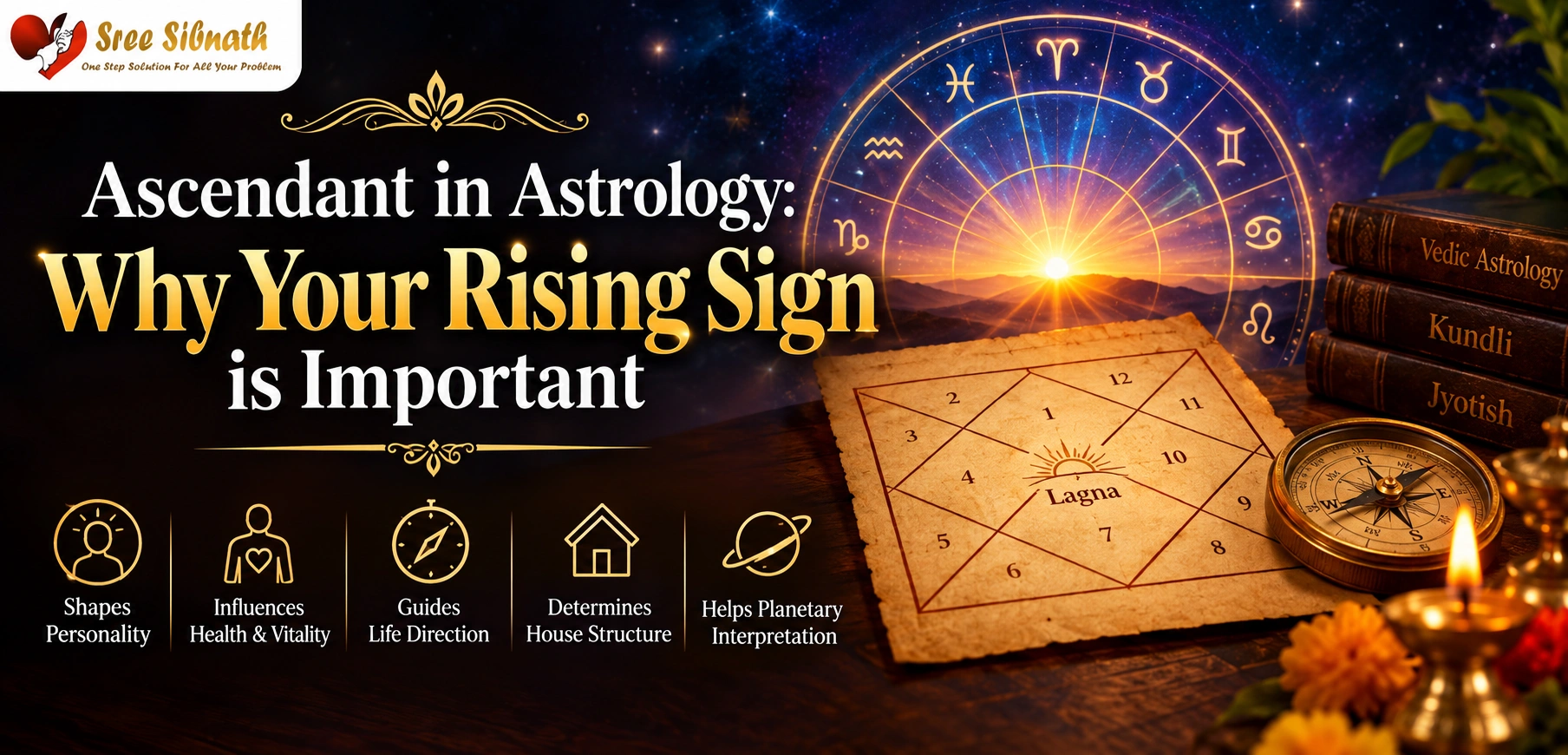
Vedic astrologers make detailed natal charts based on various birth details. These charts play a pivotal role in understanding different factors of life, including health, career, and relationships.
Rituals & Remedies
Traditional astrology often involves remedies such as mantras, gemstones, and rituals aimed at neutralizing negative planetary influences.
Why Choose Traditional Astrology?
Traditional astrology appeals to those seeking structured, time-tested guidance rooted in centuries of observation. Its precise techniques offer reliable predictions about life events, making it valuable for decision-making. By focusing on planetary cycles and timing, Vedic astrology provides a clear, disciplined framework that many find more consistent and grounded than modern interpretations.
Understanding Modern Astrology
Modern astrology reflects an evolving perspective that blends fresh ideas and innovative techniques with the foundational principles of traditional practice.
Key Factors Associated with Modern Astrology
Here’s the list of the most common yet significant aspects of modern astrology.
Psychological Understanding
Practiced by some of the reputable astrologers, modern astrology concentrates mainly on emotional and psychological aspects. It helps individuals realize self-awareness and personal growth.
Updated Techniques
Modern astrology prioritizes the use of advanced software and tools for chart analysis. It involves techniques such as modern interpretation and asteroid astrology.
Flexible Approach
Modern astrology is popular for its adaptability, integrating elements from different disciplines such as counseling and psychology.
Focus on Personal Growth
Unlike traditional techniques, modern astrology often concentrates on personal growth and realizing the inner self of a person.
Why Opt for Modern Astrology?
Modern astrology appeals to today’s seekers by blending celestial insight with psychology, offering a deeply personalized lens for self-discovery. It emphasizes growth, choice, and emotional awareness rather than rigid predictions, making it highly relevant in a fast-changing world where individuals value flexibility, mindfulness, and a deeper knowledge of their inner selves.
Can Modern Astrology & Traditional Astrology Work Together?
Rather than opposing systems, traditional and modern astrology are increasingly seen as complementary. Traditional astrology explains external circumstances, while modern astrology explores internal experiences.
For example:
Traditional astrology may predict a career shift
New age astrology helps you understand why it matters and how to grow from it
Together, they provide a holistic view, balancing destiny with personal choice.
The Modern Relevance of Ancient Wisdom
In today’s fast-paced world, people seek both certainty and meaning. In such a context, traditional astrology offers structure and predictability, while modern astrology provides emotional clarity and empowerment. This blend reflects a broader cultural shift where ancient practices are being reinterpreted through a modern lens. Astrology, like any evolving discipline, adapts to the needs of its time while preserving its roots.
FAQs
Q. Which is more accurate: traditional or modern astrology?
A. Traditional astrology is often considered more accurate for predictions, while modern astrology excels in psychological interpretation and personal growth.
Q. Can I use both traditional and modern astrology together?
A. Yes, top astrologers in West Bengal, like Sree Sibnath, combine both approaches to gain a deeper and more balanced understanding of life events and personal development.
Q. Why does modern astrology include more planets?
A. Modern astrology incorporates Uranus, Neptune, and Pluto due to their discovery in recent centuries, adding layers of meaning to chart interpretations.
Q. Is traditional astrology outdated?
A. No, it remains highly relevant for predictive techniques and is widely studied and practiced even today.
The Closing Thoughts
In the evolving world of astrology, both traditional wisdom and modern insights hold unique value. Whether you seek clarity through time-tested methods or personal growth through contemporary interpretations, the right guidance can make all the difference. So, discover a deeper, more meaningful astrological experience with Sree Sibnath, your trusted destination for authentic insights and personalized readings. Contact us and take the next step toward clarity, confidence, and cosmic alignment today.


 Online chat